
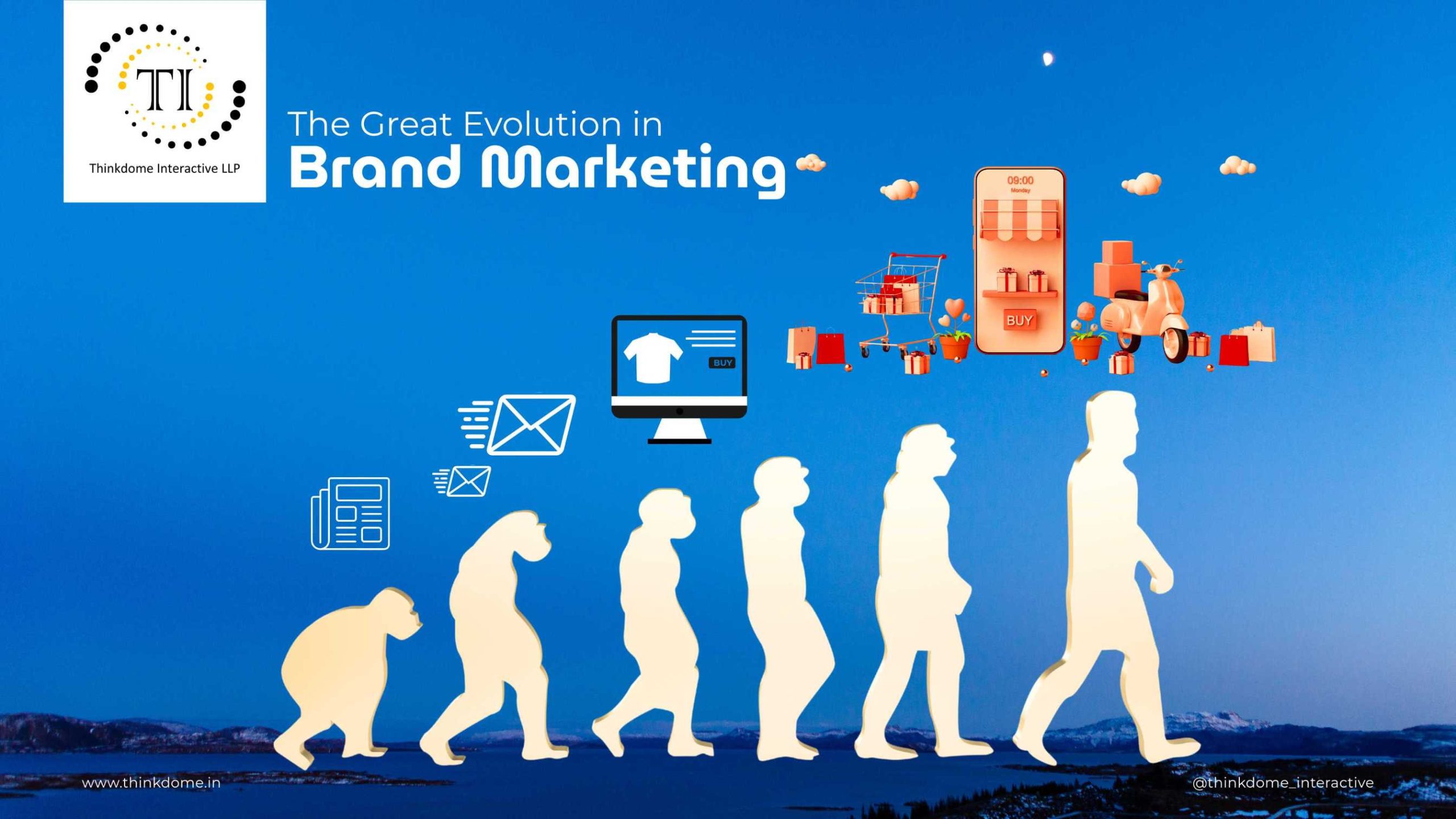
For the brands across industry, the year 2020 feels like a lifetime ago, yet its tremors continue to reshape the bedrock of how we communicate. We have moved past the unprecedented times into an era of The Great Recalibration.
In 2026, the marketing playbook is being rewritten. The shift from transactional to relational, from push to purpose, and from keyword-centric to intent-driven has created a landscape where only the most agile and authentic brands survive.
From Generative AI to Agentic Marketing
In early 2024, brands were thrilled just to use Generative AI to speed up the creation of blog posts and social media captions. Fast forward to 2026, and the focus has shifted from efficiency to effectiveness.
We are now in the age of AI Agents. These aren’t just chatbots; they are autonomous systems capable of executing complex marketing workflows—from real-time bidding in paid ads to managing the entire customer lifecycle.
- GEO (Generative Engine Optimization)and AEO (Answer Engine Optimization): Traditional SEO has evolved. Brands are no longer just optimizing for a list of links on Google; they are optimizing for AI Search Summaries, citations, and voice assistants. If your brand doesn’t provide a direct, authoritative answer to an AI agent’s query, you don’t exist in the 2026 search landscape.
- Predictive Intent: Rather than reacting to what a customer did last week, brands now use predictive analytics to anticipate what they will need next. If a customer’s data suggests they are five days away from running out of a product, they receive a magic cart link before they even realize they need to restock.
The Rise of Treatonomics and Social Commerce
The way we shop has been fundamentally rewired. Social media platforms like TikTok, Instagram, and YouTube are no longer just discovery engines; they are full-funnel marketplaces.
A trend known as Treatonomics (or little treat culture) has taken over. In a world of economic volatility, consumers are bypassing major life milestones in favor of small, frequent emotional wins. Brands have adapted by:
- Seamless In-App Purchases: The friction between seeing and buying has vanished. With TikTok Shop and Instagram Checkout, the entire transaction happens in seconds.
- Live-Stream Shopping: Over the last few years, we have seen the QVC-ification of social media, with influencers hosting live product demos that generate millions in revenue in a single hour.
Community Over Virality: The Human-Centric Shift
Perhaps the most surprising change in the last two years is the move away from going viral. In 2026, authenticity is a Performance Metric. As the internet became flooded with AI slop – low-quality, mass-produced AI content – consumers began craving real human connection.
- Nano-Influencers & UGC: Brands are shifting budgets away from celebrity endorsements toward nano-influencers (1k–10k followers) and User-Generated Content (UGC). These creators offer higher levels of trust and greater social empathy, which have become core strategic advantages.
- The Rise of Micro-Communities: Mass marketing has lost its edge. Marketing Managers are now pivoting toward micro-communities that are smaller, highly engaged groups where the brand acts as a facilitator rather than a broadcaster.
- Purpose-Led Communication: According to recent 2026 industry data, over 80% of consumers expect brands to take a stand on sustainability and social impact. This is a core driver of Net Revenue Retention (NRR), and not just PR.
- Zero-Party Data: With privacy regulations tightening globally, brands have stopped relying on creepy third-party tracking. Instead, they are building direct communities via newsletters, Discord servers, and private apps, where customers voluntarily share their preferences in exchange for better experiences.
Hyper-Personalization: The Segment of One
- In 2024, personalization meant putting a first name in an email. In 2026, we practice Hyper-Individualization. Using Unified Data Platforms (UDPs), brands now treat every customer as a segment of one. Websites dynamically change their layout, pricing, and imagery based on a user’s real-time intent, local weather, and even their current browsing speed.
- Effectiveness in 2026 is about knowing when not to speak to a customer as much as when to.
The New Rulebook
The last two years have taught us that while technology provides the scale, empathy provides the soul. The brands winning in 2026 are those that use AI to handle the heavy lifting of data and operations, freeing up human creatives to focus on storytelling, community building, and ethical communication.
As we look toward the rest of the decade, the goal is no longer only to reach an audience but to resonate with individuals.