
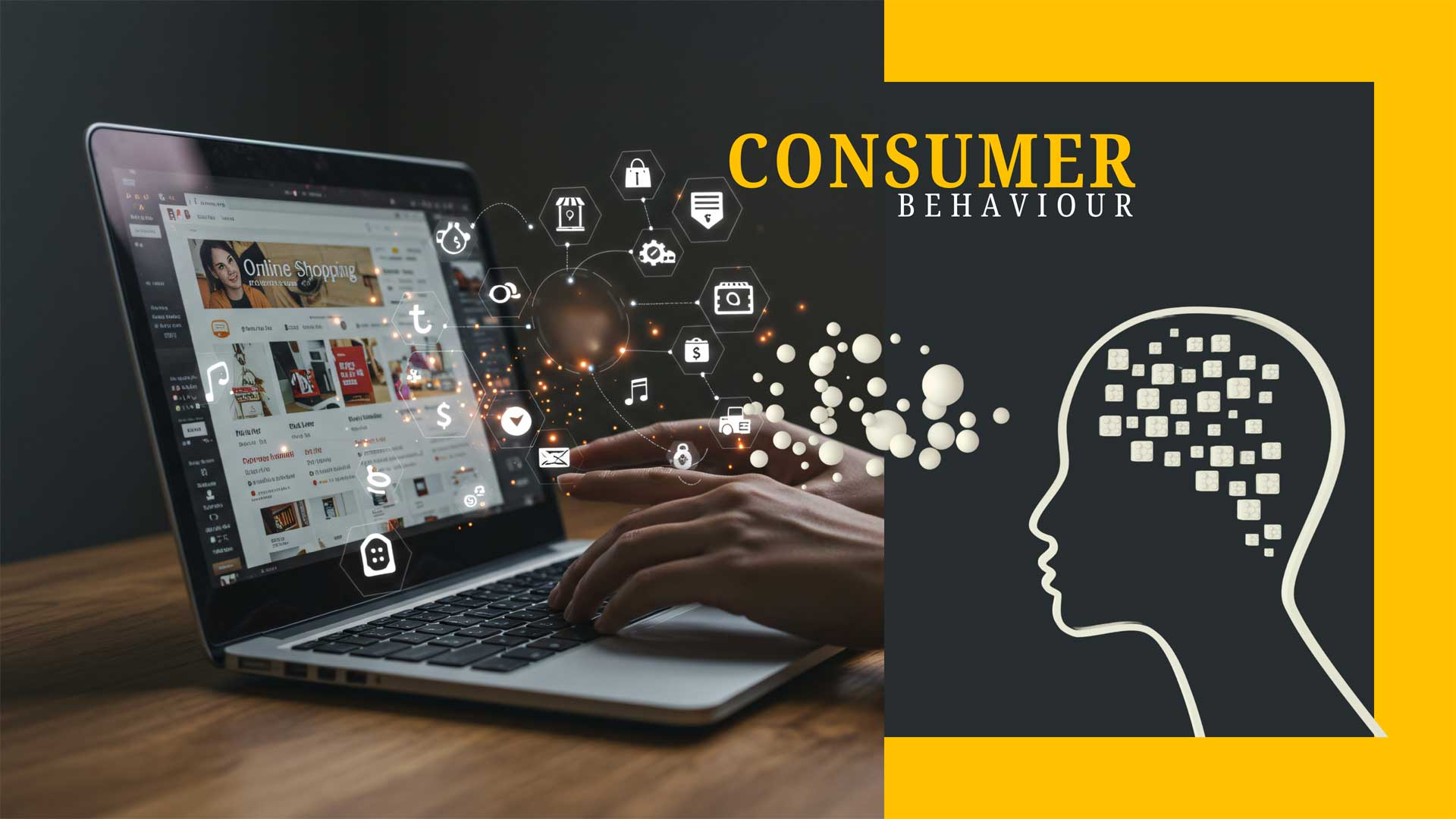
In today’s hyper-connected digital economy, consumer behavior is no longer measured only through sales numbers or surveys. Ever since the footfalls turned to digital footprint the dynamics of consumerism has transformed enormously. From brand strategy to POS, content has undergone an overhaul and has a new definition. The measurement metrics now leads to new readings of how audiences consume content. Every blog post read, every video watched, and every podcast streamed offers a glimpse into what customers value, how they make decisions, and what drives them toward a purchase.
But in a market increasingly governed by Artificial Intelligence (AI), content consumption has taken on a new dimension. AI doesn’t just track what consumers engage with; it decodes intent, predicts behavior, and helps brands design strategies that resonate on a personal level.
Content Consumption: The New Behavioral Lens
With the advent of digital communication and transformation, the content strategy and marketing has also transitioned to suit the digital web. It has bridged the gap between brands and audiences with a faster turnaround. Because of the shift from print to online, consumption pattern now read differently. The varied formats reveal different aspects of consumer psychology:
- Blogs & Articles → show curiosity, research-driven intent, and decision validation.
- Short-form videos & reels → highlight a preference for quick, emotional storytelling.
- Podcasts & long-form content → reflect deeper loyalty and subject matter interest.
- Social engagement (likes, shares, comments) → signal advocacy, trust, and community-driven behavior.
By analyzing what consumers choose to consume, and how they interact with it, brands can uncover authentic insights into consumer motivations that go beyond demographic labels.
The Role of AI in Decoding Behavior
AI has transformed how businesses approach digital marketing strategies. Instead of simply reporting engagement, AI tools can explain why consumers behave the way they do and forecast what they’ll do next.
- Predictive Analytics → Anticipates future behavior by recognizing content engagement patterns.
- Sentiment Analysis → Evaluates emotions in comments, reviews, and feedback, showing whether audiences feel trust, excitement, or hesitation.
- Personalization Engines → Curates hyper-relevant content recommendations, ensuring consumers receive the right message at the right time.
- Content Optimization → Suggests which formats, tones, and distribution channels will maximize audience impact.
This shift empowers brands to move from mass marketing to personalized, consumer-centric campaigns that feel authentic and impactful.
Building Smarter Content Strategies
For brands, the combination of AI-driven insights combined with human intelligence via content behavior analysis opens up powerful opportunities:
- Crafting personalized journeys for each consumer segment.
- Designing authentic storytelling that aligns with audience values.
- Driving higher engagement and conversion by meeting consumers where they are, with the content they want.
The real advantage lies in moving beyond vanity metrics like clicks or likes. Instead, brands must use AI-driven analysis to create strategic narratives that nurture trust, inspire loyalty, and turn engagement into meaningful relationships. These insights cannot be implemented in storytelling format without the human intervention. The real emotions come from it.
The Future of Marketing is Human + AI
While AI provides precision, scale, and predictive power, the human touch remains irreplaceable. The future of marketing will be defined by a synergy: AI interpreting consumer behavior, and humans crafting stories that connect emotionally.
Brands that embrace this balance will not just attract attention—they will build trust, relevance, and long-term growth in an ever-changing digital marketplace.